
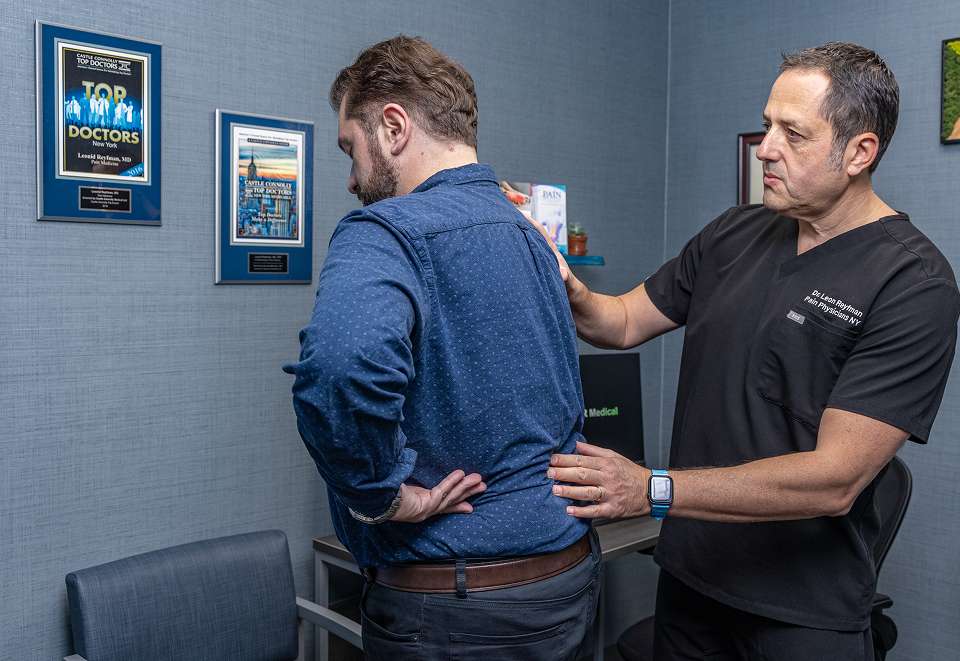
What Is Degenerative Disc Disease?
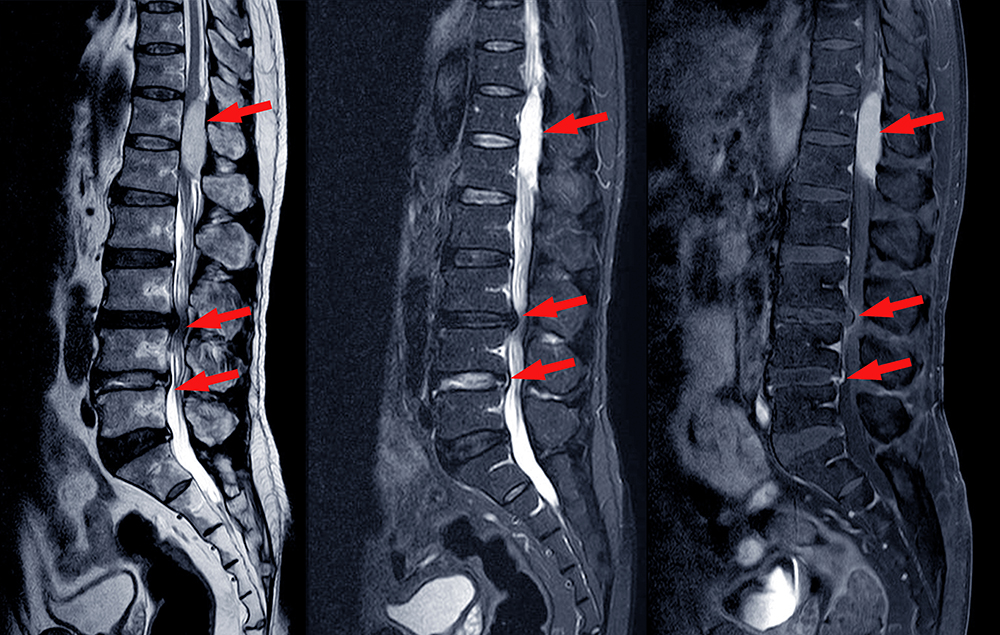
Degenerative disc disease occurs when the cushioning discs in your back begin to deteriorate. The discs typically enable you to move smoothly and cushion shock. As the discs degenerate, you often experience stiffness or pain in your back as well as other complications, such as:
- Spine arthritis
- Neuropathy
- Sports-related injuries
- Arthritis of the ankle or knee
- Pain in hip or shoulder
At Stem Cell Therapy NYC, each pain specialist is experienced in platelet-rich plasma (PRP) therapy and other procedures. Whether you’re experiencing chronic neck pain from degenerative disc disease, a herniated disc or sciatica, Dr. Leon Reyfman and his team provide advanced PRP treatments backed by years of clinical experience that include:
How Does PRP For Degenerative Disc Disease Work?
PRP disc injections repair injured spinal discs with your own blood platelets. Your body’s platelets are rich with growth factors. When it goes into your disc, it rebuilds your tissue and restores the disc. PRP disc injections are performed with a tiny injection similar to stem cell treatment, usually on an outpatient basis. Procedure typically includes:
- Drawing a small quantity of blood with a needle through a tiny incision
- Placing blood in a centrifuge so that the platelet-rich plasma is separated
- Delivering the PRP precisely through imaging tools like fluoroscopy or ultrasound
The surgical process normally takes less than an hour and requires only local anesthesia. Because the PRP is derived from your own blood, risks are minimal. You experience improvement in pain levels within a matter of weeks with the full benefits being apparent after several months.
Am I a Good Candidate for PRP Disc Injections?
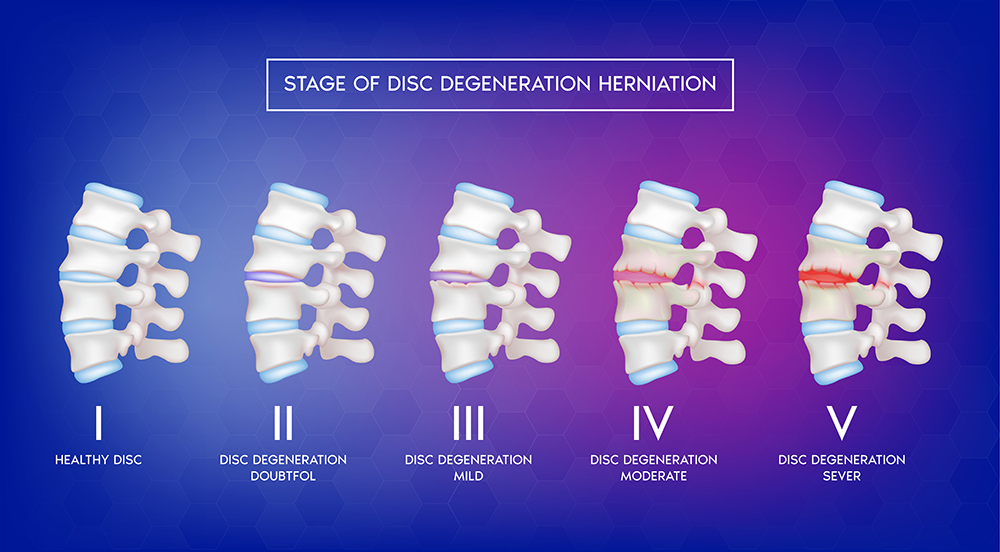
PRP therapy works best when your discs still have some structure and healing potential. Your eligibility often depends on the stage of your disc degeneration. PRP disc injections usually are effective for stages that include:
- Your spinal discs have started to degenerate, and you may be experiencing mild discomfort from early degenerative disc disease.
- Your discs are losing height and flexibility, which may worsen neck or back pain. PRP slows further deterioration and controls inflammation.
- Your spine is trying to compensate and may be in the early stages of spinal stenosis with more intense pain. PRP may still offer benefits, but results vary.
PRP disc injections may not be right for you if you have severe disc collapse or nerve compression that causes numbness or loss of function. It may also be unsuitable if you have active infections, certain blood disorders or take medications that affect your platelets. Your doctor in NYC tailors your PRP treatment plan specifically for you, improving the chances of success.
What Are the Benefits of PRP for Degenerative Disc Disease?
When you get PRP therapy for your degenerative disc disease, you look forward to a range of meaningful improvements in your comfort and mobility. Instead of just covering up your pain, PRP addresses what’s actually causing it. As your disc tissue heals and inflammation subsides, you’ll notice long-lasting pain relief.
PRP doesn’t rely on medication or artificial substances. It uses your body’s own healing power to restore tissue health safely and naturally. As your discs repair and regain strength, you find it easier to move. Everyday actions like bending, sitting or walking become less painful and more natural again. Other benefits include:
- The procedure is quick, safe and performed under local anesthesia with fewer side effects than surgery.
- You usually return to light activity the next day.
- The growth factors continue to work over time.
How Long Does It Take to Feel the Effects of PRP for Degenerative Disc Disease?
Everyone’s recovery is unique. If your discs are in the early stages of degeneration, you may feel results sooner, while more advanced cases may take longer. Your body needs time to respond, and the improvement usually happens gradually. Your experience varies based on different factors, such as:
- First few days. There could be temporary discomfort, indicating your body has begun the process of healing.
- Two to four weeks.Simple, routine activities like bending or walking feels slightly easier.
- Four to eight weeks. Your spine feels stronger, your flexibility returns and you walk more confidently.
- Three to six months. Pain diminishes further, inflammation settles, and spinal mobility becomes normal.
Your age and overall health also influence your recovery such that younger patients and healthy individuals tend to heal better. Sometimes, a second or third PRP session may be recommended to achieve optimal healing.
How Many Sessions of PRP for Degenerative Disc Disease Are Needed?
The number of PRP sessions required usually ranges from one to three. This depends on the severity of your disc degeneration and how your body responds. Non-surgical treatment plans vary based on several factors, such as:
- If your disc degeneration is in the early stage, you may notice significant improvement after just one session.
- If your discs are moderately damaged, two sessions spaced a few weeks apart may provide better results.
- If your discs are heavily damaged, you may need three sessions to maximize tissue repair and reduce pain.
Your experienced pain management doctor creates a personalized PRP plan for you. Contact Stem Cell Therapy NYC today to start restoring your spinal function and your quality of life.
Page Updated on Mar 23, 2026 by Stem Cell Therapy