Regenerative Spine Treatments

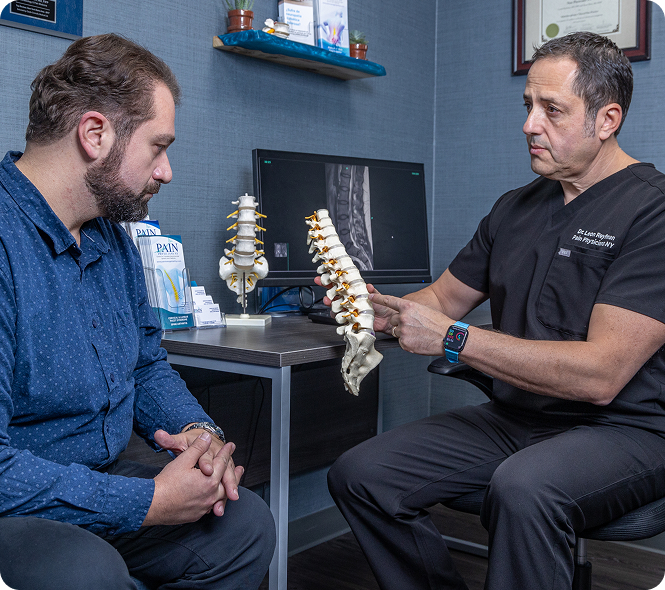
Techniques in non-surgical spine treatment have come a long way. Experts in the field of spine regenerative medicine like the doctors at Stem Cell Therapy NYC keep up with the latest discoveries and participate in ongoing research to develop the best regenerative spine therapy practices. Call the most experienced pain management team in New York City at Stem Cell Therapy NYC for a consultation to see if you qualify for non-surgical spine treatment.

Regenerative Spine Therapy

What Is Regenerative Spine Therapy?

Regenerative spine therapy is designed to heal damaged spinal tissues naturally without surgery. Instead of depending on painkillers or invasive methods, this approach activates your body’s own repair process to restore disc health, ease inflammation and improve your mobility.

Spine regenerative medicine focuses on treating the root cause of your pain through enhanced regeneration of your spinal discs, joints, ligaments, nerves, tendons and cartilage. Regenerative spine treatments are performed on an outpatient basis without the need for anesthesia. During the procedure, your own stem cells or growth factors are taken and injected into the areas that need support for healing and restoring function.

At Stem Cell Therapy NYC, you receive regenerative therapies guided through advanced imaging technology to ensure precision and safety. Renowned pain management expert Dr. Leon Reyfman and his team of experienced doctors focus on providing you with lasting results and genuine satisfaction instead of temporary relief from pain.

What Options Do I Have for Regenerative Healing of the Spine?

Non-surgical spine treatment provides advanced options focused on restoring your spinal health. Your NYC doctor carefully reviews your medical history, evaluates your current spine condition and determines which regenerative therapy suits your specific needs. Different types of regenerative spine treatments include:

Bone marrow stem cell injection (BMAC)

Bone marrow stem cell injection (BMAC). This treatment uses stem cells from your bone marrow to repair and regenerate damaged spinal tissue.

Intradiscal platelet-rich plasma (PRP)

Intradiscal platelet-rich plasma (PRP).For this, platelet-rich plasma is injected into damaged discs to stimulate healing and reduce pain.

DiscSeel procedure

DiscSeel procedure. It seals torn or leaking spinal discs to restore their structure and improve stability.

Regenerative laser

Regenerative laser. Doctors use focused light energy to improve circulation, ease pain and stimulate cellular repair.

Adipose tissue injection

Adipose tissue injection. This process uses regenerative cells from your body’s fat to rebuild cushioning and promote spinal healing.

Platelet lysate injections

Platelet lysate injections. This therapy releases powerful growth factors to accelerate faster tissue repair and reduce inflammation.

Via Disc

Via Disc. This treatment relies on natural biologic material to rebuild disc volume, improve cushioning and restore flexibility.

Intradiscal ozone

Intradiscal ozone. It delivers a medical ozone-oxygen mixture to lower disc pressure and encourage regeneration.

Regenerative spine treatments work on their own or together to enhance results. Modern spine regenerative medicine uses a combined approach to treat pain, damage and inflammation from different angles. Each treatment is personalized to your condition to support faster and more effective healing.

What Conditions Do Regenerative Spine Treatments Address?

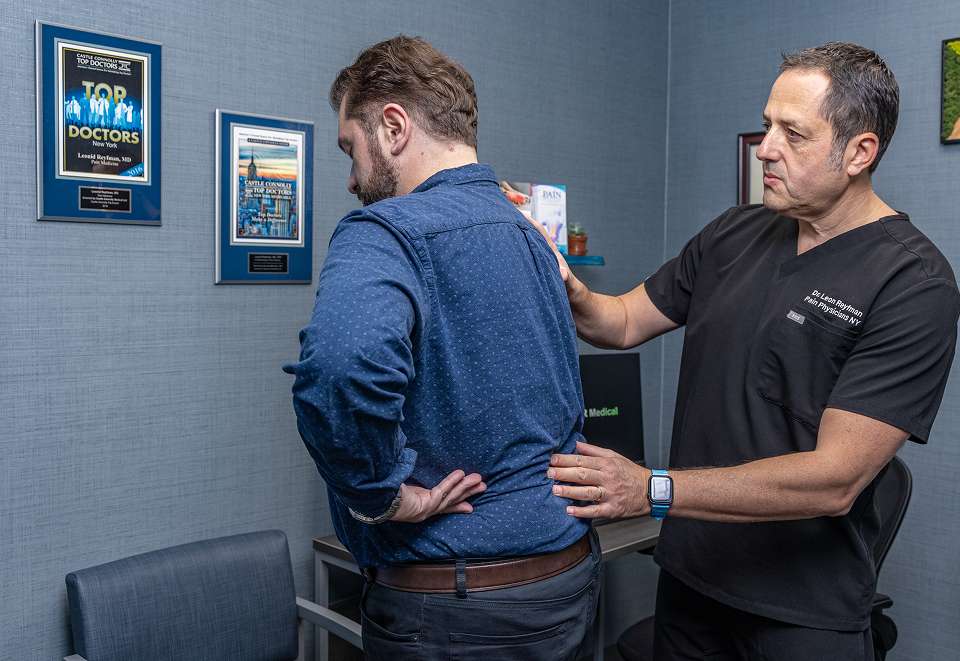
Regenerative spine treatments provide a natural path to healing across multiple spinal conditions. Degenerative disc disease occurs when the spinal discs lose hydration and elasticity, leading to pain and stiffness. Treatments like PRP, stem cell therapy, BMAC, Via Disc and platelet lysate injections are frequently used to manage disc degeneration naturally. These therapies are designed to treat a wide range of back, neck and disc conditions, including:

All regenerative spine therapy treatments focus on restoring healthy function and managing pain. When the spine becomes damaged or inflamed, it affects the way your body moves and functions. Pain may then spread from the back and neck to the hips, knees, shoulders or even the feet and ankles.

What Benefits Do I
Get from Choosing Regenerative Spine Therapy Over Surgery?

Regenerative spine therapy is a minimally invasive approach that supports faster recovery compared to traditional surgery while reducing discomfort and downtime. This non-surgical spine treatment reduces overall costs while easing pain and supporting the repair of damaged tissues and compressed nerves. You may be an ideal candidate for non-surgical spine treatment if you meet certain conditions, such as:

  • Ongoing pain that doesn’t improve with medication or physical therapy
  • Mild to moderate spinal degeneration
  • Proper spinal alignment without severe deformities
  • A preference to avoid invasive surgical procedures
  • Dedication to following a rehabilitation plan after treatment

Spine problems, especially lower back pain, are common in high-impact sports such as football, rugby, hockey, cheerleading and skiing. Regenerative spine therapy addresses sports-related spine injuries like disc herniation, degeneration and arthritis.

How Long Does It Take to See Results from Regenerative Spine Treatments?

Your results from regenerative spine treatments depend on the type and severity of your spinal condition. You may notice initial pain relief within a few weeks, while significant improvement usually develops over several months. If your injury is acute, you may experience faster recovery.

If you have a chronic condition, such as long-standing arthritis or nerve damage, it may take three to six months to notice improvement. Full healing of the affected tissues may require additional time. Complete tissue regeneration depends on your body’s natural healing response. The maximal improvements usually begin from three to six months after treatment. You should follow post-treatment care to achieve the best results, which include:

  • √ Keeping good posture
  • √ Exercising regularly
  • √ Managing stress well
  • √ Maintaining a healthy body weight
  • √ Focusing on ergonomic setups
  • √ Taking regular breaks from prolonged sitting
  • √ Wearing supportive shoes
  • √ Staying well-hydrated
Treatment Sessions needed for Regenerative Spine Therapy

How Many Treatment Sessions Do I Need for Regenerative Spine Therapy?

The number of regenerative spine therapy sessions you need depends on the severity of your condition and the form of non-surgical spinal treatment you’re getting. Your body’s response to spine regenerative medicine also influences how many sessions are necessary.

Your doctor customizes your treatment plan to provide the best results for you while reducing unnecessary procedures. For chronic or degenerative conditions, you usually need more treatments to achieve the best results.

Follow-up sessions after regenerative spine therapy at Stem Cell Therapy NYC help you maintain and maximize the benefits of your treatment. During these visits, your doctor assesses your healing, tracks progress in pain relief and mobility and makes any necessary adjustments to your care plan. They may combine different regenerative spine therapies to optimize your results. Take the next step toward lasting spinal relief and contact Stem Cell Therapy NYC today.

Page Updated on Apr 28, 2026 by Stem Cell Therapy
× DISCLAIMER: PLEASE READ CAREFULLY

The information on this website is provided for educational purposes only and is not intended as medical advice. Diagnosis and treatment decisions should always be made in consultation with a qualified healthcare provider following a thorough clinical evaluation. Individual results may vary.