
How Does Osteoarthritis Affect My Hips?
Osteoarthritis occurs in the hip when the cartilage that caps the femoral bone is damaged or diseased, causing stiffness and pain in the ball-and-socket hip joint. This degenerative joint disease is one of the most common forms of arthritis in the US, affecting the mobility and quality of life of millions of people.
If you suffer from hip pain aused by osteoarthritis, Dr. Leon Reyfman at Stem Cell Therapy NYC is renowned as an expert in non-invasive pain management. Dr. Reyfman and his team of experts specialize in regenerative therapies involving non-surgical treatment for hip pain, as well as surgical alternatives for arthritis in your spine, shoulders, knees and ankles.
Which Hip Osteoarthritis Symptoms Respond to Non-Surgical Hip Pain Treatment?
Stiffness in the joint, pain when walking or attempting stairs, and trouble extending the leg without audible or physical clicking of the joint may all be signs of advanced osteoarthritis. Lower back pain and overall weakness after sitting or standing may also be a sign of tissue degeneration. Other symptoms of osteoarthritis that may benefit from non-surgical treatment for hip pain include:
- Pain. Centered around the groin, upper thigh and buttocks, pain around your hip joint may be best treated with stem cell therapy for arthritis.
- Stiffness. Difficulty moving around, especially in the morning after long periods of rest, might be a sign that hip tissues are wearing down.
- Locking joint. Sticking, grinding or audible popping of the joint may be signs of damaged cartilage around the femur.
- Weakness. General weakness or loss of energy doing even light physical activity could be a sign of tissue and nerve damage around your hip.
Certain medications or pre-existing conditions may also lead to deterioration in the tissues and muscles around the hip joint. Once they get to the root of your hip pain, your NYC doctor explains what to expect before, during and after treatment.
What Are Examples of Non-Surgical Hip Pain Treatment?
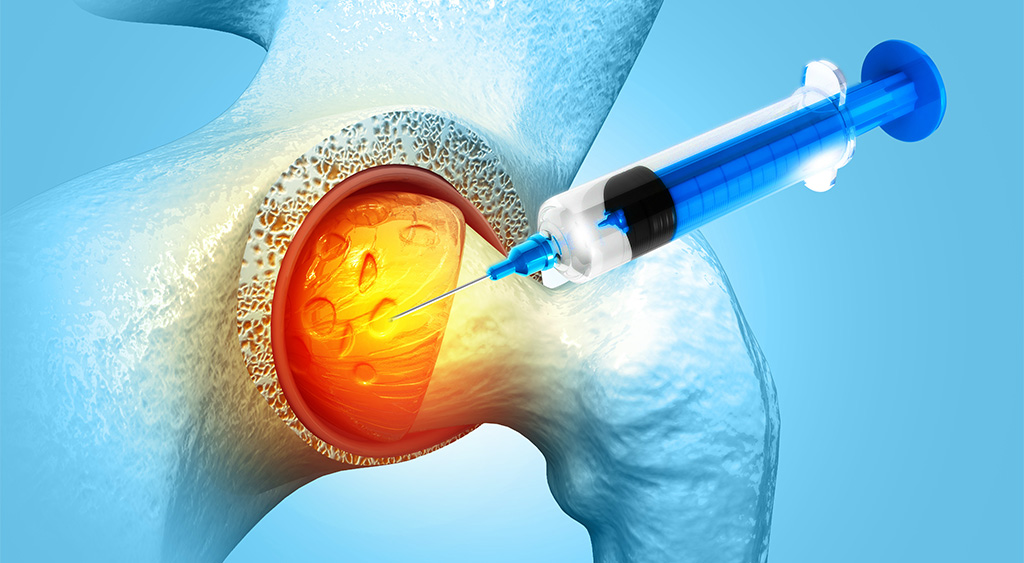
Regenerative joint treatments involving stem cell therapy and platelet-rich plasma (PRP) have revolutionized treatment when it comes to degenerative conditions like osteoarthritis. By concentrating the body’s own growth factors, treatments like platelet lysate injections replace damaged tissue with healthy tissue, relieving pain and restoring function without ever going under the knife.
Hip replacement surgery involves a higher risk of complications and lengthy recovery period. Non-surgical treatment for hip pain gives you long lasting relief, without the stress of surgery and an overload of pain meds. If you’ve been diagnosed with osteoarthritis and curious about non-surgical hip treatment, consider a surgical alternative in the form of:
- PRP for hip arthritis and labral tears. PRP utilizes your body’s growth factors to repair injury or damage to the labrum.
- Stem cell therapy for the hip. Stem cells treat arthritis in the hip by supplying it with new nutrients and growth proteins to jumpstart a healing response.
- Bone marrow stem cell injection. Cells from your own bone marrow are used for their rapid regenerative aspects in treating bone, tissue and nerve damage.
- Regenerative joint treatments. Unconventional forms of treatment involving alpha 2 macroglobulin, exosomes and shock wave therapy may work for areas of the hip that can’t be treated with medication or surgery.
What Are Advantages of Non-Surgical Treatment of Hip Osteoarthritis?
Cutting-edge developments in orthobiologic injections have provided new information on how to harness the body’s ability to heal itself. Utilizing these natural healing responses provides opportunities for outpatient procedures to eliminate the need for surgery, saving you time, money and stress.
Stem cell procedures and regenerative therapies alike are engineered to be as minimally invasive as possible. Dr. Reyfman and his team of doctors believe that the less invasive the procedure, the more conducive it is for your healing. A few benefits of opting for non-surgical treatment for hip pain include:
- Quick procedure. Most non-surgical hip treatment involves a simple outpatient procedure.
- Shorter recovery. While recovery from hip replacement surgery may take months to a year, many orthobiologic injection sites heal within a few days.
- Less risk. Hip replacement surgery comes with a higher risk of complications, replacement rejection and lengthy time to adjust to a synthetic joint.
- Cheaper. Non-surgical treatment costs less than major surgery.
Are There Side Effects from Non-Surgical Treatment for Hip Pain?
Risks and side effects are minimal and vary depending on the specific procedure and severity of the condition. You may experience minor swelling around the injection site and soreness around the hip joint while the new tissue has a chance to rebuild.
If you’ve been struggling with osteoarthritis in your hip, contact Stem Cell Therapy NYC at any of the five locations in New York City. Dr. Reyfman and his team are dedicated to finding the best non-surgical treatments for your pain.
Page Updated on Apr 30, 2026 by Stem Cell Therapy