
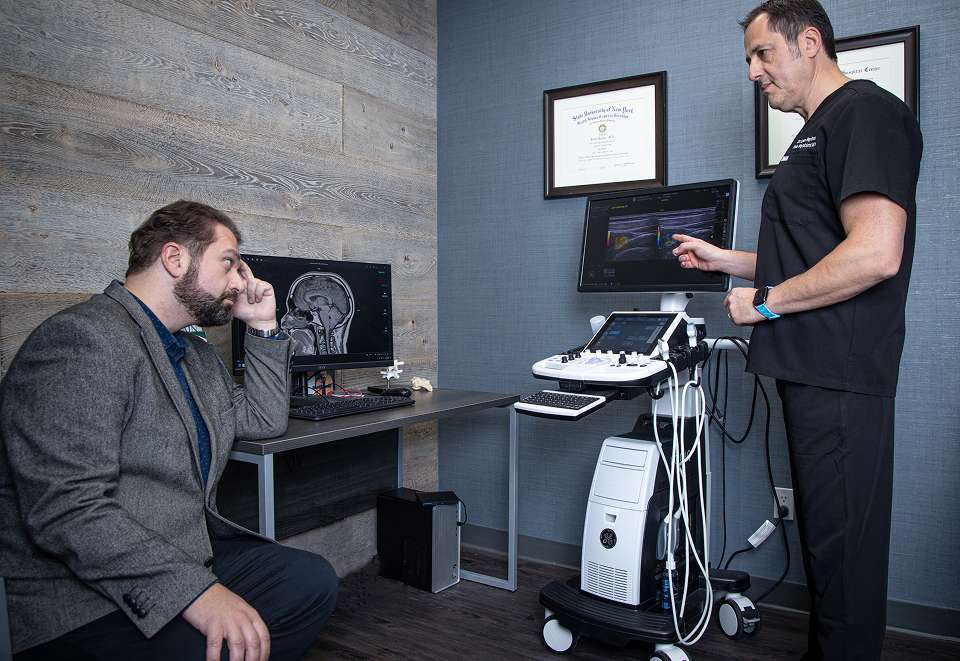
What Are Orthobiologic Injections?
Orthobiology is a subcategory of regenerative medicine involving the use of organic growth factors to treat pain and repair damaged tissue. Groundbreaking developments in orthobiologic injections make it possible to treat chronic pain efficiently without invasive surgery. Primary orthobiologic injections revolve around:
- Stem cell therapy, which use specialized cells to treat nerve, tissue and joint damage
- Platelet-rich plasma (PRP) to regenerate healthy tissue
Dr. Leon Reyfman at Stem Cell Therapy NYC is a top pain management physician. With his team of experienced pain management physicians, he provides many orthobiologic, non-surgical treatments to alleviate pain in your spine, arthritic joints and damaged nerve tissue.
How Do Orthobiologic Injections Treat Joint Pain?
Biologic joint therapy targets musculoskeletal pain at its source, as opposed to dulling its symptoms with pain medications or other temporary treatments. Conventional therapy, like steroid injections, provides short-lived relief and requires multiple appointments. Surgical routes come with their own risks and often involve prolonged recovery.
Stem cell therapy is a revolutionary treatment for joint pain. Consider stem cells instead of knee replacement after learning how Dr. Reyfman treats the same condition more effectively and less invasively. The benefits of choosing orthobiologic injections for your joint pain include:
- Less invasive. Biologic joint therapy encourages a rapid healing response without the incisions and risks of major surgery.
- Lowered risk. Many injections use tissue from your own body, so there’s less risk of rejection, compared to synthetic joint replacement.
- Shorter recovery period. Regenerative therapy reduces pain and improves mobility faster than invasive surgery. You may feel results in as little as five days.
Which Joint and Tendon Conditions Are Best Treated with Regenerative Therapy?
Many forms of joint pain are best treated with regenerative therapy, since your comfort, mobility and quality of life depend on long-term relief. Whether struggling with tendonitis in your foot, or a tear in your rotator cuff, orthobiologic injections provide specialized tissue to repair function and relieve pain. Biologic joint therapy treats painful conditions such as:
- Arthritis. Stem cell therapy or PRP is an excellent solution for arthritis and related conditions like frozen shoulder.
- Bursitis. If bursae are inflamed around major joints, stem cell therapy reduces that inflammation.
- Labral and meniscus tears. Biologic joint therapy is a form of non-surgical shoulder repair to heal cartilage breakdown around your shoulder or hip.
Tendon and ligament damage due to overuse, injury or disease may also benefit from non-surgical treatments like stem cell and PRP therapies. Consider regenerative treatment if you suffer from:
- Tennis elbow from damaged cartilage due to overuse and repetitive motion
- Plantar fasciitis, which is damage to the tissue from the heel to toe, making it difficult to walk
- Sports injuries, as athletes suffering soft tissue damage benefit from PRP therapy
What Are a Few Specific Types of Orthobiologic Injections?
Determining the difference <What Is the Difference Between PRP and Stem Cells?> between stem cell therapy or PRP, your NYC doctor chooses the orthobiologic treatment that best treats your condition and type of pain. Stem cells can differentiate into new cells with specialized tasks, beneficial in regenerative spine treatments. PRP stimulates growth factors for speedy cell repair, treating conditions like ACL tears and knee arthritis.
The main goal of orthobiology is to reduce pain and restore mobility in an efficient way, without a lengthy recovery time or repetitive treatments. The regeneration therapies that work best for specific conditions include:
- Bone marrow stem cell injections, which involve transplanting healthy bone marrow to a damaged area, beneficial for conditions like osteoarthritis or arthritis in major joints like the hip, knee and shoulder
- Adipose tissue injections to transfer healthy fat to areas damaged by injury or disease, treating conditions like tendonitis and golfer’s elbow
- Intradiscal PRP, which injects PRP directly into tissue in the spine, an integral treatment for degenerative disc disease and sciatica
- Platelet lysate injections for delicate areas of the spine, treating herniated discs or spinal stenosis
How Does Orthobiology Remedy Nerve Pain?
By treating pain at its source to reduce inflammation and restore normal blood flow, orthobiologic injections de-escalate neuropathic issues. Regenerative nerve treatments like PRP and platelet lysate have proven to be effective for alleviating nerve pain.
Due to neglected injury or disease, nerve damage requires specialized treatment to eradicate the cause of your pain and prevent it from returning. Consider orthobiologic injections to treat:
- Neuropathy. Nerve damage may be treated with PRP therapy, nerve entrapment release or peripheral magnetic stimulation.
- Carpal tunnel syndrome. Issues in your hand and wrist also benefit from stem cell’s anti-inflammatory properties.
- Chronic neck and back pain. Nerve pain from sciatica or neck injuries call for a specific treatment that won’t interfere with mobility.
What Does Recovery Look Like After Regenerative Therapy?
Minor swelling, soreness and stiffness around the injection site may last a few days after your procedure. Side effects depend on your condition and area of the body treated. Self-propelling PRP and bio-engineered stem cells enable your body to use its own natural healing mechanisms, making recovery from biologic joint therapy mild when compared to surgery.
With multiple locations in New York City, Stem Cell Therapy NYC fuses science with compassion in helping you find answers for the most non-invasive pain management. Contact the experts in NYC to learn what you can expect from today’s regenerative medicine.
Page Updated on Mar 23, 2026 by Stem Cell Therapy