
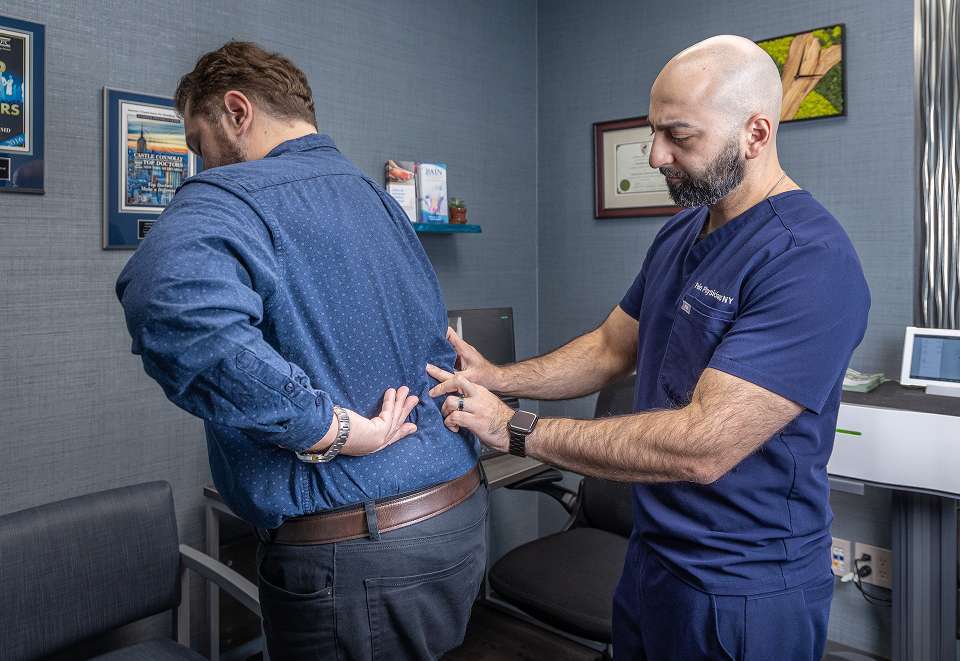
What Is Nerve Entrapment Treatment?
Expanding the area of compressed tissue that surrounds a pinched nerve is known as nerve entrapment release. Compacted tissue is either cut or removed to provide breathing room for the injured nerve, restoring normal blood flow and alleviating pain.
Nerve damage causes frustrating discomfort that can impede your mobility, flexibility and overall well-being. Dr. Leon Reyfman at Stem Cell Therapy NYC is an expert in nerve pain therapies and regenerative nerve treatments that aim to heal neuropathy at its source.
What Are Symptoms of an Entrapped Nerve?
Symptoms vary depending on where they are in the body and amount of pressure the surrounding tissue is impacting. Muscle spasms, minor swelling and sensitivity to temperature and touch may all be indicators that a nerve is under too much pressure. A few other symptoms of entrapped nerves include:
- Pain. Type of pain may vary from intense shooting zaps to burning sensations or dull throbbing that normally radiates outward.
- Numbness. Lack of feeling or tingling sensation in the surrounding area that’s sometimes described as feeling like a limb has fallen asleep.
- Tension. Feeling of a muscle being taut or too short may be due to the nerve’s inability to send correct signals to the brain.
Indicators of nerve damage may flare up during sleep, as the body attempts to heal the issue itself. Notice if your hands and/or feet are tingling when you wake up or if it takes a while to regain feeling.
How Did I Get a Pinched Nerve?
Certain health conditions, injury or sudden weight gain can put excess pressure on joints and nerves, entrapping them and preventing functionality. Back, neck, and disc injuries are a common cause of inflammation that may require nerve entrapment treatment.
While different health factors contribute to whether or not you’re prone to nerve damage, the most common causes of entrapped nerves involve:
- Injury. Neglected sprains in the wrists and ankles lead to excessive swelling and potential nerve damage.
- Repetitive movement. Work or play that includes repetitive movement in the arms and back may lead to nerve issues around your rotator cuff, elbows, shoulders or hips.
- Disease. Irregularity in blood sugar levels caused by diabetes or thyroid disease can damage the blood vessels that supply nerves with needed nutrients.
- Herniated discs.Bulging discs put excess pressure on surrounding nerves, creating a need for nerve release therapy.
Which Neuropathic Conditions Benefit from Nerve Release Therapy?
Degeneration from aging, diagnosed neuropathy or the resurgence of an old sports injury are all contributing factors in determining if this procedure may work for you. A few common conditions treated with nerve entrapment treatment include:
- Carpal tunnel syndrome. Compression of the median nerve in the hand’s carpal tunnel is commonly treated by nerve entrapment release.
- Tennis elbow. Strain on tendons in tennis elbow and golf elbow can lead to pressure on surrounding nerves.
- Chronic back pain. Nerve entrapment treatment is used to remedy pain caused by sciatica, spinal stenosis and other types of lower back and muscle pain.
- Peroneal nerve entrapment. Knee injuries surrounding the peroneal nerve can cause nerves in the lower leg and foot to malfunction.
Lasting results depend on the cause and severity of your nerve damage. When paired with stem cell therapy for nerve damage or platelet-rich plasma therapy, nerve entrapment release takes on a regenerative aspect, providing new ground for healthy surrounding tissue to form. This regrowth could also prevent a pinched nerve in the future.
What Does a Nerve Entrapment Release Procedure Entail?
A minimally invasive procedure, nerve release therapy can be either injectable, in the form of a hydro dissection or surgical. A typical nerve entrapment treatment takes between 20 minutes to an hour depending on case specifics. The steps of a nerve entrapment procedure include:
- Anesthesia. Moderate and topical anesthesia is administered.
- Incision. Incision length varies depending on location of treated nerve but normally doesn’t exceed four inches.
- Decompression. Tight tissue surrounding the nerve is released by surgically cutting or using fluid to separate the nerve from tissue, also known as hydro dissection.
- Recovery. Side effects of this procedure may include minor soreness and possible continued tingling while the nerve heals.
Recovery time depends on age, severity of damage, and any pre-existing conditions that may prevent typical healing. Your physician prepares you for reasonable outcomes and explains what to expect before, during and after treatment.
The pain management pros at Stem Cell Therapy NYC are knowledgeable on many varieties of ultramodern regenerative nerve therapies. Contact any of the five locations in NYC for support and solutions to chronic pain.
Page Updated on Mar 23, 2026 by Stem Cell Therapy