
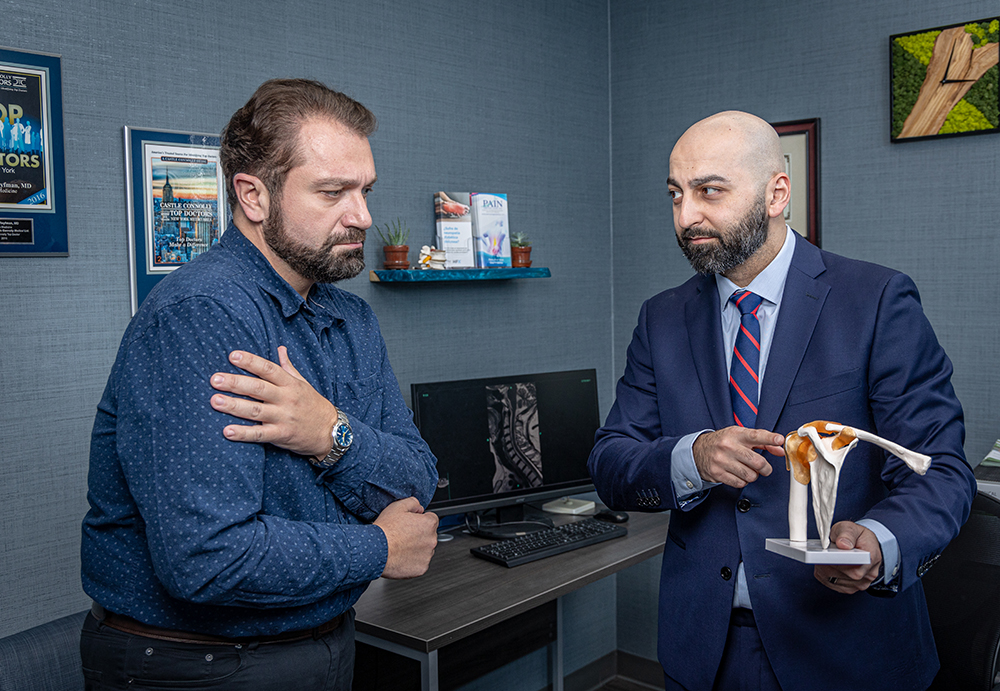
What Is a Labral Tear?
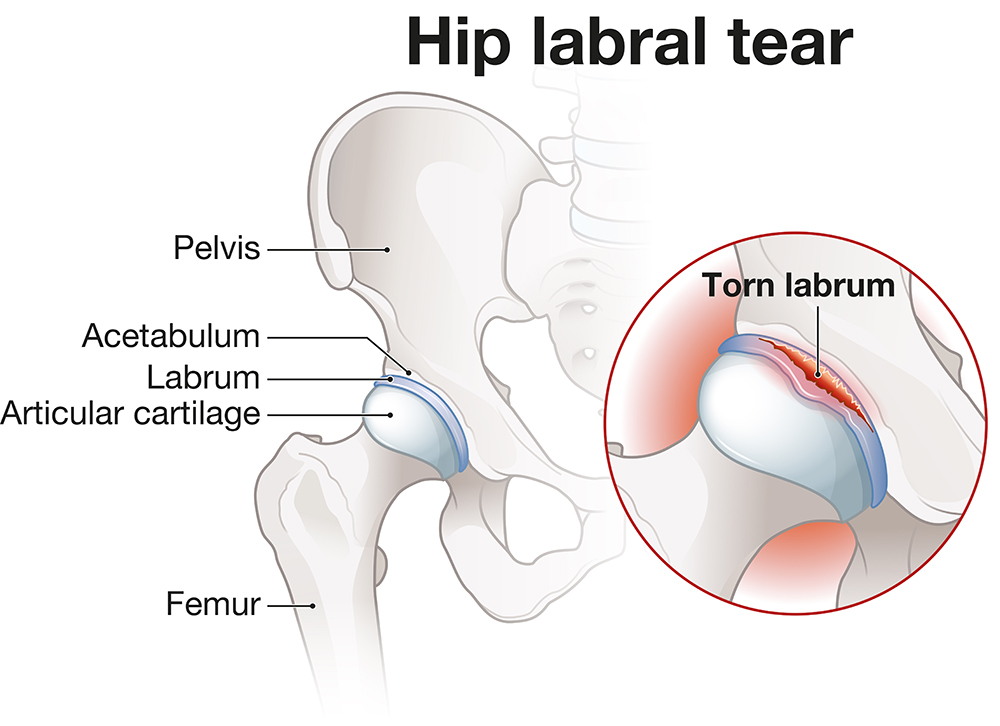
A labral tear results when the ring of cartilage that lines your joint socket, called the labrum, gets damaged. This cartilage is what keeps your joint stable. It also cushions your bones during movement and helps create frictionless movement within the joint. Labral tears develop gradually over a period of time or suddenly due to an injury. Common causes include:
- Repetitive motion and joint overuse
- Sudden trauma, like shoulder or hip injuries
- Irregular hip structure or bone alignment
- Degeneration of the joint or wear due to age
- Strenuous activities and high-impact sports
In your hip and shoulder, the labrum absorbs the shock from the joint’s movement and enables a painless range of motion. If this cartilage tears, you can find it difficult to perform everyday movements. Given that your hip and shoulder joints are involved in many activities, losing full flexibility in either severely limits your quality of life.
If you experience a labral tear in your hip or shoulder, visit Stem Cell Therapy NYC. Their skilled doctors combine medical expertise with innovative, non-surgical treatments to restore your range of motion. Choosing Stem Cell Therapy NYC gives you access to customized care for long-term joint recovery and health. Their regenerative therapies, including hip labral teat therapy, not only fights pain; it also helps restore injured cartilage.
How Do I Know If I Need Labral Tear Treatment?
Recurring pain in your hip, groin or shoulder that increases with exercise often indicates underlying joint damage. You may also feel a clicking, locking or catching sensation in the affected joint that makes most everyday movements painful. Other symptoms indicating a need for labral tear treatment include:
- A sense of weakness or instability in the joint
- A limited range of motion or stiffness
- Pain that interferes with sleep or activity
- Pain that persists even after rest or anti-inflammatory drugs
Labral tears affect athletes, active individuals and those with joint abnormalities. At Stem Cell Therapy NYC, Dr. Leon Reyfman and his team evaluate your symptoms, medical history and activity level to understand how the damage developed. To confirm the diagnosis, advanced imaging tests such as MRI or MR arthrograms, are used to clearly visualize your labral tear.
What Is the Most Effective Hip Labral Tear Treatment Therapy?
Regenerative joint treatments offer effective, non-surgical solutions that reduce inflammation and support natural tissue healing. The most appropriate shoulder or hip labral tear treatment depends on the severity of your tear, your level of activity and your overall health. Effective therapies include:
- Platelet-rich plasma (PRP) therapy, which uses a concentration of your own blood platelets that are high in growth factors to speed tissue healing and enhance joint functionality
- Stem cell therapy, an advanced therapy that uses your bone marrow or adipose fat to obtain stem cells that heal destroyed tissue and aid regeneration
- Prolotherapy, which uses natural dextrose-based injections to stimulate your body’s healing response, tighten up ligaments and enhance joint stability
- Platelet lysate injections, a purified form of PRP that puts injected growth factors where it’s most needed to stimulate tissue healing
You may be a good candidate for a shoulder or hip labral tear therapy if you have a partial labral tear or mild to moderate joint damage. These therapies may be suitable if traditional treatments — such as rest, medications or physical therapy — haven’t provided lasting relief. You also may benefit if imaging tests show a partial labral tear with good potential for natural healing.
What Are the Benefits of Regenerative Therapies for Labral Tears?
Stem cell therapy for shoulder or hip pain promote tissue repair and regeneration that helps your damaged labrum heal naturally. As your joint recovers, you regain improved mobility, flexibility and range of motion without discomfort. Major benefits of these regenerative therapies include:
- These treatments offer you a conservative way to manage hip injuries without surgical risks.
- Recovery is faster, helping you return to normal activities sooner.
- Hip labral tear therapy, like PRP, is minimally invasive and requires no incisions or lengthy downtime.
- You need no general anesthesia, which makes the procedure safer and easier to tolerate.
These treatments are generally more affordable than surgery. Non-surgical approaches allow you to avoid hospital stays while achieving effective results for labral tear treatment. At Stem Cell Therapy NYC, Dr. Roman Shulkin or another pain management specialist may use pain relief treatments that include ozone or laser therapy to accelerate healing and improve your overall benefits.
How Long Does My Recovery Take After Hip Labral Tear Therapy?
Recovery after shoulder or hip labral tear therapy depends on the severity of your tear, the type of treatment, your activity level and your overall health. With regenerative labral tear treatment, results develop gradually as the tissue rebuilds and strengthens over time. Your recovery timeline may vary, but typically includes:
- First 24 to 72 hours. Expect mild soreness and some inflammation. Focus on rest and avoiding strenuous activity.
- One to two weeks. Start light activity and continue gentle physical therapy exercises to aid your recovery.
- Four to six weeks. You may notice significant improvement in pain reduction and joint mobility.
- Around three months. The full benefits of therapy are typically achieved with maximum pain relief and restored function.
To help your recovery after hip labral tear therapy, follow your doctor’s advice. Avoid high-impact sports or heavy lifting until your joint has fully healed. Monitor your symptoms and notify your doctor about any unusual swelling or pain. To learn if advanced regenerative care is right for you, contact Stem Cell Therapy NYC to book your consultation.
Page Updated on May 1, 2026 by Stem Cell Therapy