
What Is a Frozen Shoulder?
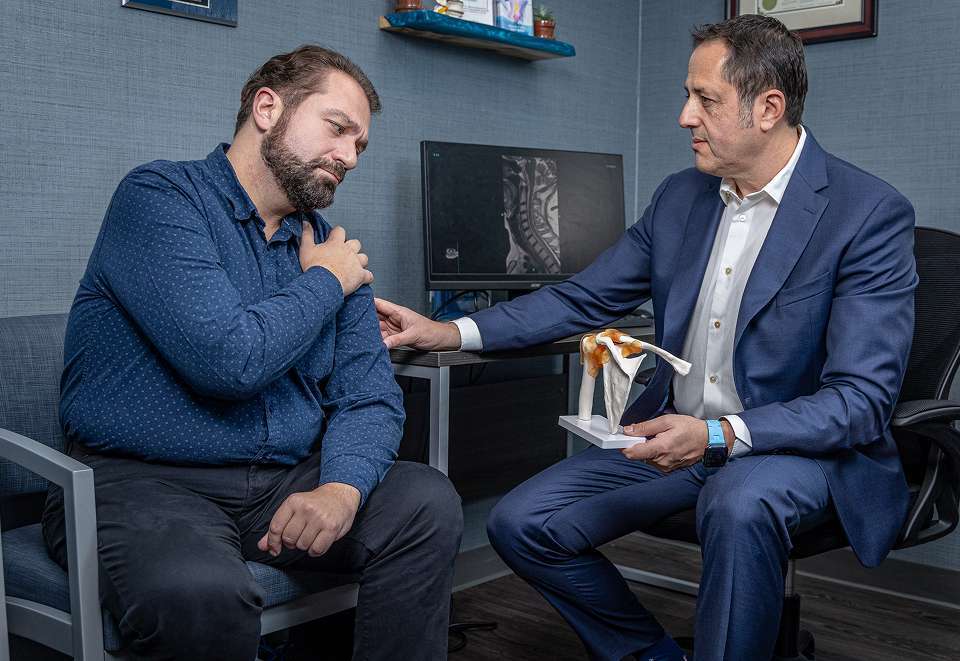
Frozen shoulder, also called adhesive capsulitis, happens when your shoulder becomes stiff and difficult to move. Your shoulder works as a ball-and-socket joint surrounded by a flexible capsule that helps you move your arm smoothly. When you develop a frozen shoulder, this capsule thickens and tightens, limiting your movement and causing pain each time you try to lift or rotate your arm.
The condition develops gradually and may take months or even years to fully improve, especially if you delay treatment. At Stem Cell Therapy NYC, highly skilled doctors are recognized for successful non-surgical shoulder repair and regenerative therapy for a frozen shoulder. Common non-surgical treatments for shoulder and rotator cuff injuries and shoulder arthritis include:
- PRP and stem cell therapy for nerves when nerves become impinged in your shoulder
- PRP and stem cell therapy for joints to free your shoulder from being frozen
- PRP and stem cell therapy for your back when pain from your shoulder travels to your spine
What Are the Symptoms of a Frozen Shoulder?
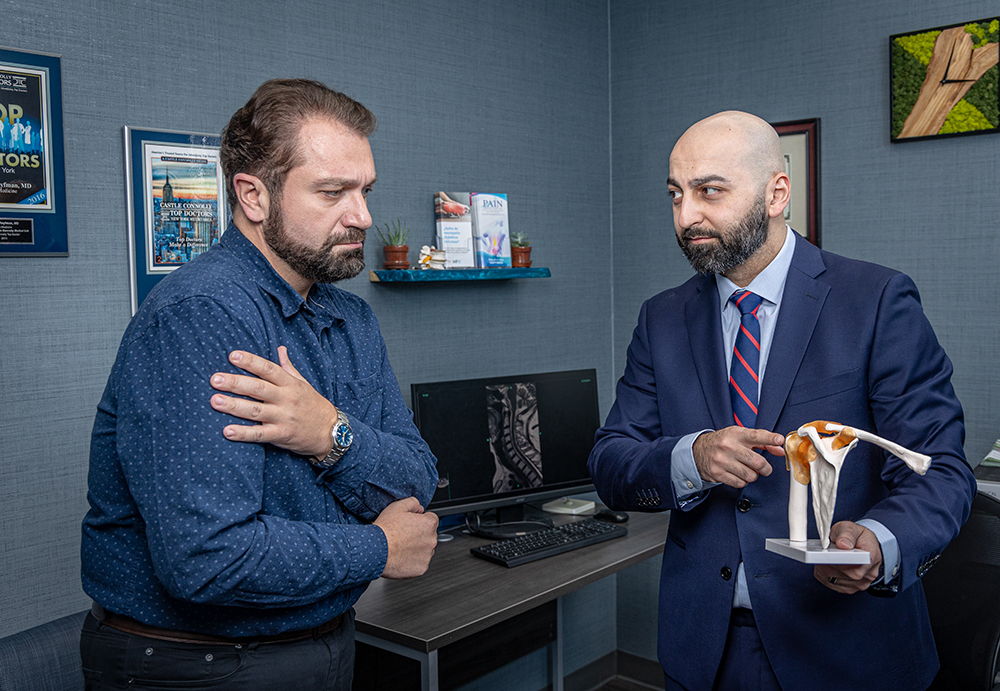
The first signs usually show up as a dull ache deep in your shoulder or upper arm. You may notice pain when reaching overhead, behind your back or across your body. Sleeping on the affected side becomes difficult because the pain often worsens at night.
As inflammation begins inside your shoulder capsule, the tissue thickens and loses flexibility. This makes movement harder and more painful. The less you move your shoulder, the stiffer it becomes, creating a cycle of pain and reduced motion that limits your daily activities. The three stages of frozen shoulder include:
- The freezing phase.Your shoulder becomes stiff and hurts to move. The pain slowly gets worse, and your range of motion continues to decline. This phase lasts usually between six weeks and nine months.
- The frozen stage.Your pain decreases during this time, but stiffness is severe. Everyday activities such as reaching, lifting or dressing are challenging as your shoulder remains tight and restricted. This stage typically lasts two to six months.
- The thawing phase.Your pain decreases and the movement of your shoulder gradually comes back. Strength and flexibility increase as you achieve normal function. This healing phase takes six months to two years for complete or near-complete recovery.
Am I at Risk of Developing a Frozen Shoulder?
While anyone can experience it, some factors make you more prone to developing this condition. You’re more likely to develop a frozen shoulder between the ages of 40 and 60. Women face a higher risk, especially around menopause when hormonal changes affect joint flexibility. If you have diabetes, your chances of developing a frozen shoulder are much higher. You’re also more at risk if you have conditions such as:
- Thyroid problems,whether your thyroid is overactive or underactive
- Heart disease,which affects blood flow and tissue health
- Parkinson’s disease,when stiffness impacts shoulder movement
- History of stroke, which often limits shoulder mobility
The best way to avoid frozen shoulders is to keep your shoulder mobile particularly after injuries or surgery. As your arm remains in a sling or immobile for extended periods, tissues around your shoulder joint begin to contract and thicken. This results in stiffness and limited motion. Start gentle, supervised exercises as early as your NYC doctor allows after regenerative therapy for a frozen shoulder. Prevent future problems by:
- Maintaining shoulder flexibility
- Practicing good posture
- Avoiding prolonged immobility
What Are My Non-Surgical Options for Frozen Shoulder Treatment in NYC?
Frozen shoulder treatment in NYC usually starts with pain management and restoring flexibility through pain meds, hot and cold compresses and physical therapy. Many times, however, first-line conservative treatments merely mask the symptoms or prolong the return of should discomfort. For lasting healing, non-surgical shoulder repair includes:
- Platelet-rich plasma (PRP) therapy. PRP for sports injuries or neuropathy uses your blood’s healing platelets to repair tissue and reduce inflammation.
- Stem cell therapy for your shoulder. Stem cell therapy rebuilds damaged areas for lasting recovery through stem cells retrieved from your own body.
- Alpha 2 macroglobulin therapy.The naturally occurring protein in your blood is primarily produced by the liver and has exceptional anti-inflammatory effects that play an important role in protecting the tissues in your joints to reduce swelling, slow cartilage damage in your shoulder and relieve pain.
Regenerative therapy gives you a less invasive alternative compared to surgery. Instead of facing long recovery times and surgical risks, you receive simple injections that activate your body’s healing process. Other benefits of frozen shoulder treatment in NYC include:
- Faster recovery
- Regrowth and repair
- Natural pain and inflammation relief
- Targets the root cause of your frozen shoulder
- Lower risk of rejection
- Rare, mild side effects
Does My Frozen Shoulder Come Back After Healing?
After frozen shoulder improves, it usually doesn’t return to the same shoulder. Most people get back to normal movement and resume daily activity without problems. However, in rare cases, frozen shoulders come back either in the same shoulder or the opposite one.
If you want to protect your shoulder and maintain long-term mobility, visit the experts who guide you toward full recovery and facilitate long-lasting shoulder health with leading-edge regenerative therapies. Contact Stem Cell Therapy NYC today at one of the five convenient locations in New York City.
Page Updated on May 1, 2026 by Stem Cell Therapy