
What Is PRP for Hip Arthritis and PRP for Hip Labral Tears?
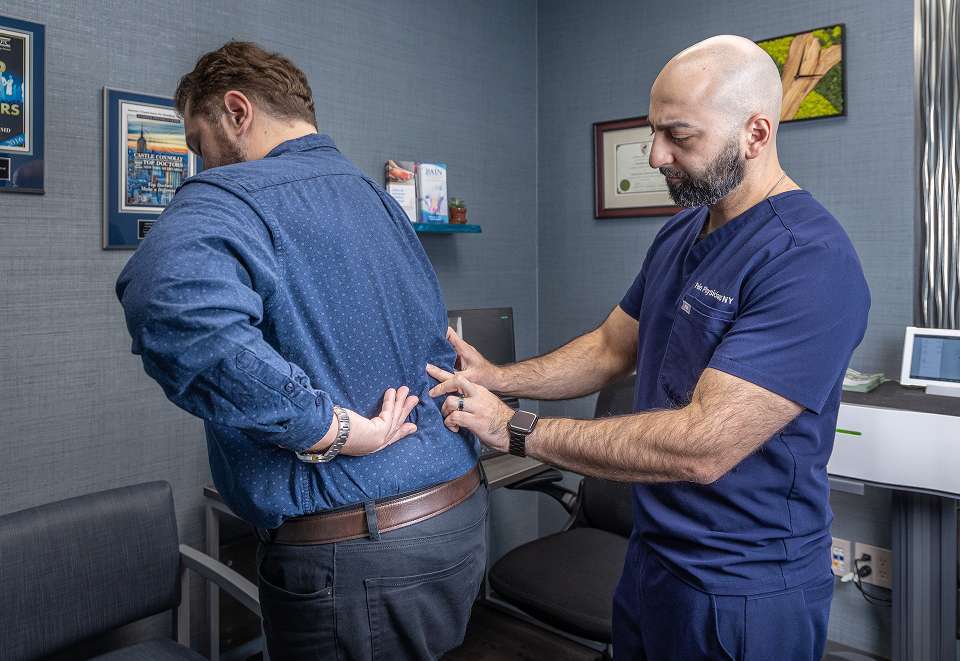
A regenerative therapy that uses your blood’s platelets to repair a labral tear or improve the painful conditions of hip arthritis is known as platelet-rich plasma or PRP for short. The experienced PRP doctors at Stem Cell Therapy NYC perform this type of treatment to help with tissue repair and improve cartilage health. They provide a host of alternative, non-surgical solutions for treating chronic pain and sports injuries.
Dr. Leon Reyfman and his team are pain management physicians who specialize in treating sports injuries with regenerative medicine treatments, including platelet-rich plasma and stem cell therapy. In addition to using PRP for hip arthritis and PRP for labral tears, they also rely on PRP joint therapy to treat conditions such as:
- Spine arthritis
- Degenerative disc disease
- Knee arthritis
- Rotator cuff tears
- Meniscal tears
- ACL tears
- Golf elbow
- Neuropathies
When and How Is PRP Injection Done for Hip Arthritis and Labral Tears?
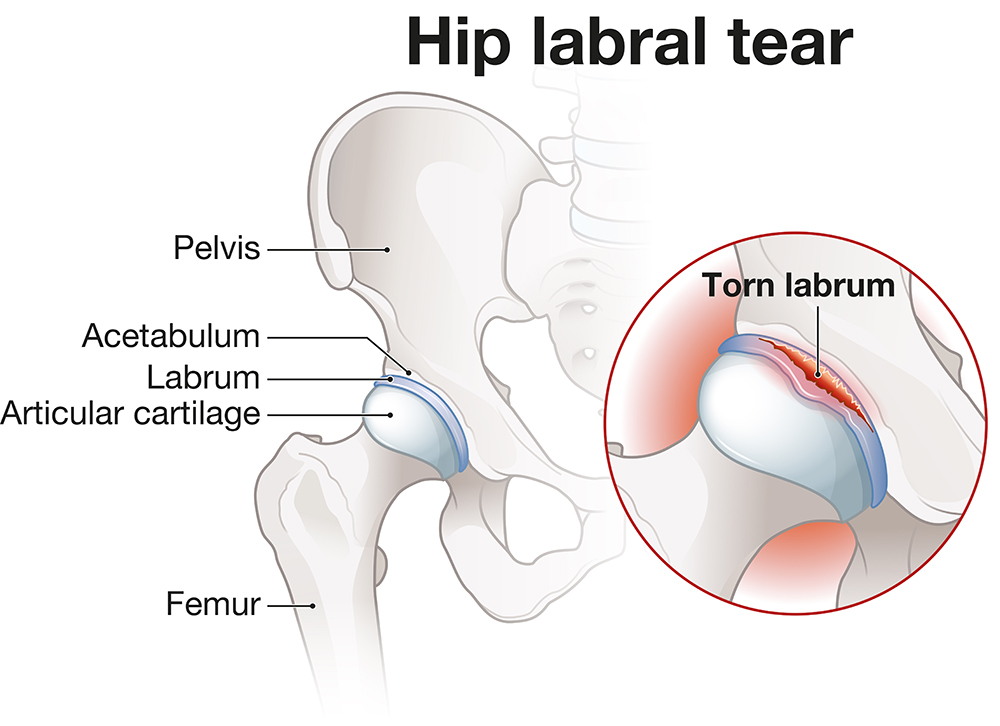
You may benefit from PRP for hip labral tears and PRP for hip arthritis when pain slows you down and doesn’t respond to other conservative therapies like rest and physical therapy. Over time, everyday movement, especially visible with athletes and the elderly, causes strain on the hip joint, causing mild labral tears and joint pain. PRP therapy is an outpatient treatment, which consists of steps that include:
- Blood draw. The doctor draws a small blood sample from a large vein in your arm.
- Centrifugation. Your blood is then subjected to a separation phase using the centrifuge method, which spins at high speed to separate red blood cells, white blood cells and platelets. For PRP injection therapy, your NYC doctor uses the platelets within the plasma.
- Injection. The doctor sterilizes the hip area and applies a local anesthesia to minimize discomfort. Using ultrasound guidance for better accuracy, the doctor injects the PRP directly into the hip joint or the area near the torn labrum. A PRP injection has five to eight times as many platelets as a normal blood sample.
- Post-injection. The doctor advises you to rest for a few days after the administration of PRP.
The procedure takes 15 to 30 minutes, and you can go home the same day. Expect significant improvements in your hip mobility and reduced pain within six months after the procedure.
How Is PRP for Hip Arthritis Beneficial?
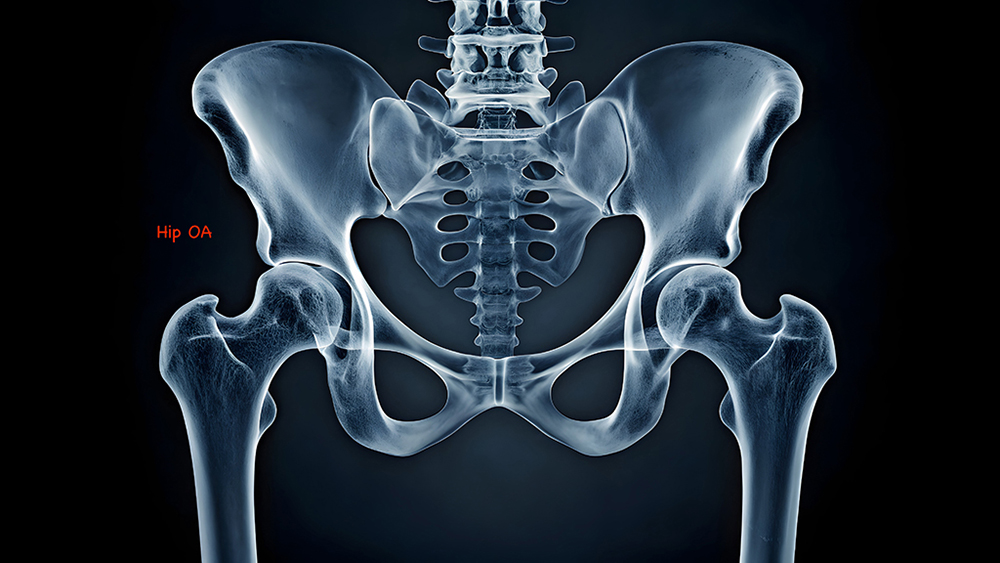
PRP for hip arthritis has been introduced as a successful, regenerative treatment for addressing the root causes of joint pain, such as inflammation and cartilage breakdown. Arthritis is a condition that causes tenderness and inflammation in joints. Hip arthritis is a significant cause of chronic pain, especially if you’re in your senior years. PRP for hip arthritis injections are particularly beneficial to treat arthritis under certain circumstances, such as:
- Early to mid-stage arthritis. PRP has been shown to be most effective in treating hip arthritis in its early to mid-stage, or when the cartilage is not completely damaged.
- Constant pain. When arthritis pain doesn’t respond to over-the-counter medication or when you can’t tolerate OTC meds and want to avoid habit-forming pain medication, PRP for hip arthritis offers a new way of healing and pain management.
- Preference for non-surgical treatment.Whether you prefer a less invasive option or are in your senior years and not an ideal candidate to undergo surgery, PRP injections offer improvements in mobility without the risk and downtime associated with surgery.
PRP not only relieves discomfort but also delays the need for hip replacement surgery. What PRP does is introduce a huge number of platelets and growth factors into the joint to change the internal hip environment to slow the progression of arthritis.
How Can PRP Help with the Natural Regrowth of Labral Tears?
Labrum tears are small rips in the cushions that keep the hip and shoulder joints in their right places. When you put too much stress on the hip, like doing a repetitive motion, it causes a labral tear. The high concentration of platelets in PRP for hip labral tears stimulates the production of new, healthy tissue and even improves the healing of a torn labrum. With PRP for hip labral tears, expect a minimally invasive procedure with no downtime. Other benefits include:
- No adverse effects. Because PRP uses your own blood, it eliminates the chance of rejection and has no negative side effects.
- Reduced pain and inflammation. Due to the high concentration of platelets in the PRP injection, this type of treatment offers anti-inflammatory and pain-modulating effects.
- Natural healing. PRP therapy uses the body’s natural healing mechanism to promote recovery in the torn labrum.
- Delays the need for surgery. If you’re looking for a non-surgical approach or are a poor surgical candidate, PRP delays the need for surgery for mild labral tears.
The doctors at Stem Cell Therapy NYC understand the importance of leading and maintaining an active life, so they aim to utilize treatments that use the latest advancements for hip injuries and ongoing musculoskeletal health issues. Contact Stem Cell Therapy NYC now for a consultation. With five locations in New York City, you have access to the best techniques and expertise in the field of regenerative medicine.
Page Updated on Apr 30, 2026 by Stem Cell Therapy