
What Is Knee Arthritis?
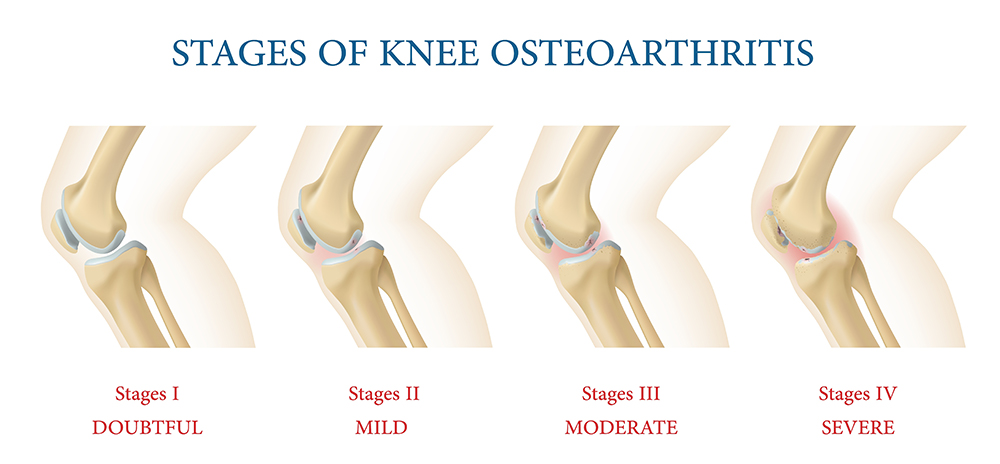
Arthritis of the knee is a severely debilitating disease. It’s one of the most common knee joint problems that not only affects the cartilage of the knee joint, but the cartilage of the adjacent bones — the tibia and femur — as well. Knee arthritis and the accompanying pain and stiffness can happen over the years with normal wear and tear, which is why it’s so prevalent among seniors. But there are other factors that could put you at greater risk as well, such as:
- Being overweight
- Getting hurt in an accident
- Experiencing trauma during sports
- Having a family history of arthritis
- Lacking in sufficient exercise
You may have knee arthritis from a congenital defect or improper bone alignment. You’re more susceptible if you have unsatisfactory muscle tone. If you’re a woman, you have a 40 percent greater chance of getting knee arthritis. A bicycle messenger, carpet layer or a baseball catcher can get it from overuse during your employment.
Knee arthritis and other painful conditions affecting your knees often respond well to regenerative therapies at Stem Cell Therapy NYC. Dr. Leon Reyfman and his team of dedicated pain management specialists provide a full range of non-surgical treatments at five convenient NYC locations. They get to the bottom of your problem and find you relief quickly.
What Is PRP for Knee Arthritis?
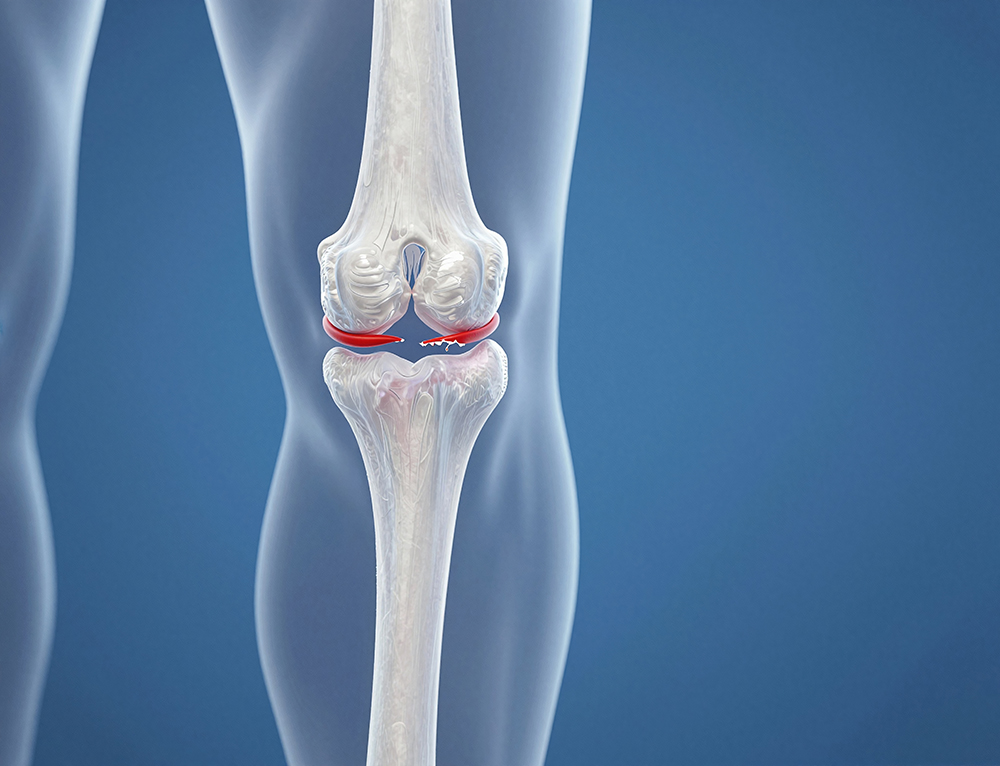
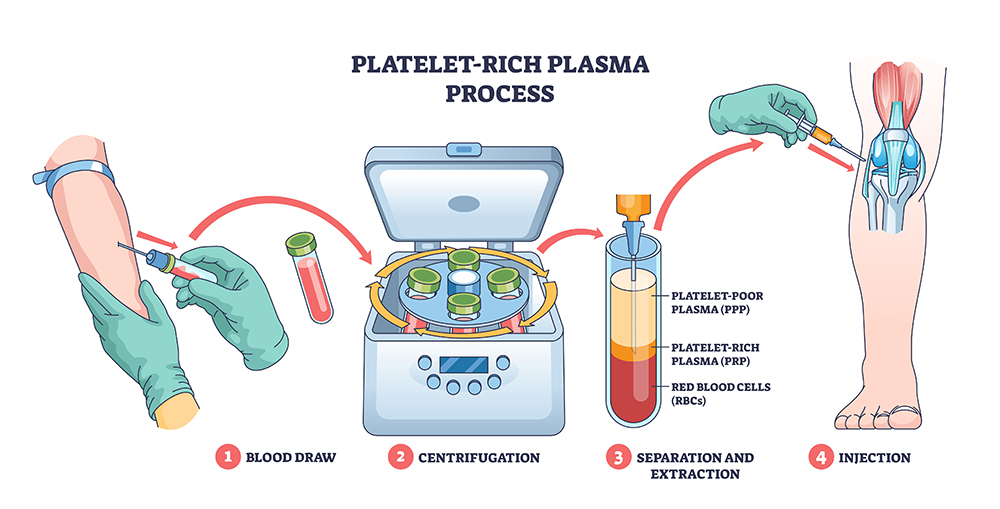
Platelet-rich plasma (PRP) injections can heal the cartilage of the knee that has been destroyed by arthritis. It’s been proven that PRP injections for joint pain outperform steroids after six months of recovery. It’s a simple outpatient procedure that includes:
- Taking blood from your arm
- Separating the blood in a centrifuge
- Injecting the PRP into your body directly where they’re needed
The PRP has large amounts of platelets and growth factors, much more than regular blood. These are what grow the cartilage back. Although it takes a fair amount of time to fully heal, the results are undeniably better and longer lasting than traditional surgery or steroid injections.
Who Would Be a Good Candidate for PRP for Knee Osteoarthritis?
A good candidate has mild to moderate knee pain and is looking for a non-surgical knee treatment. Someone who has cartilage, tendon or ligament damage in the knee would be a great candidate. You’ll be advised against this procedure, however, if you:
- Have an infection that’s not controlled
- Are taking blood thinners
- Have specific blood disorders
If you have cancer, are pregnant or have certain allergies, you may be advised against having PRP for knee arthritis. The rare side effects are pain and swelling at the injection site and fatigue for a day or two. Your doctor at Stem Cell Therapy NYC lets you know what to expect before, during and after treatment.
How Effective is PRP Therapy for Knee Pain?
Whether you have meniscus tears, knee arthritis or sports-related tendinopathy or ligament injuries, clinical trials and studies have shown that PRP is incredibly effective for knee pain. There have been numerous studies comparing PRP therapy to saline, hyaluronic acid and steroid injections where PRP treatment was shown to give greater function to the knee and less pain. A major part of the PRP therapy is the growth factors (GFs) involved. The GFs in PRP include:
- Epidermal growth factors
- Vascular endothelial growth factors
- Platelet-derived growth factors
These GFs are what help your body regenerate the tissue needed to not only heal but make you whole again. Cytokines are also crucial to healing. Cytokines are signaling protein cells that assist in reducing inflammation and organizing your body’s reaction to an injury or infection. The GFs and cytokines are what makes PRP work so well: your natural growth factors healing your knee, not covering up symptoms.
What Are the Advantages of PRP Injections for Knee Arthritis?
There are numerous benefits to having PRP injections compared to other therapies. The biggest benefit is that PRP injections are minimally invasive and actually heal rather than just mask the symptoms. While everyone may have their own opinion of what makes PRP amazing, some of the best advantages include:
- The PRP comes from you and then goes back into your body, alleviating any rejection of the therapy.
- Recovery is quicker and you have no long-term physical therapy.
- Risks are almost nil, especially when you rely on PRP experts in New York City.
- The benefits of PRP last longer than other types of therapy.
- PRP is less invasive and encourages a rapid healing response without the incisions and risks of major surgery.
PRP injections have been proven more effective than steroids in the long term. This means that steroids may give you fast relief, but its efficacy diminishes with time. With the PRP injections, it may take a little bit longer to get relief, but you get better long-term results.
What Other Treatments are Available for Knee Arthritis?
Stem cell therapy for osteoarthritis is a revolutionary biologic joint therapy that targets musculoskeletal pain at its source. Consider stem cells instead of knee replacement after learning how the same condition is treated in a more effective, less invasive way. Other non-surgical knee treatments include:
For the absolute best results, contact Stem Cell Therapy NYC at the first sign of knee pain. The sooner you act, the better your outcome will be.
Page Updated on May 1, 2026 by Stem Cell Therapy